

Public Health and Community Services
Spanish Lake's health outcomes are shaped by the everyday conditions residents navigate, like housing, education, transportation, and access to care. Learn more about the factors shaping health and well-being in Spanish Lake.

Key Takeaways
Spanish Lake residents currently have limited access to healthcare and emergency services.
There are few healthy eating options available, which has contributed to a higher adult obesity rate.
By improving access to healthcare, healthy foods, and transportation, the overall quality of life would improve.
Residents accessing the community’s open spaces and the Zoo WildCare Park could have positive health impacts, and investment in these spaces can create economic benefits that would assist the region with growth of public health services.
Issues
Limited Access to Healthcare Services
Spanish Lake has only one pharmacy and one hospital nearby. People in the area need better access to healthcare services. Limited access to healthcare and provider shortages reduce available care options, particularly for patients who already feel unwelcome or misunderstood by healthcare professionals (pg. 22).
Health coverage gaps can make access barriers even more challenging to manage. While the overall uninsured rate in Spanish Lake is 13.3%, coverage gaps are much higher among young adults: 24.3% of residents aged 19 to 25 and 31.1% of residents aged 26 to 34 lack health insurance. When residents lack stable coverage and reliable access, they delay routine checkups, preventive screenings, or treatment until health problems become more serious (pg. 31).*

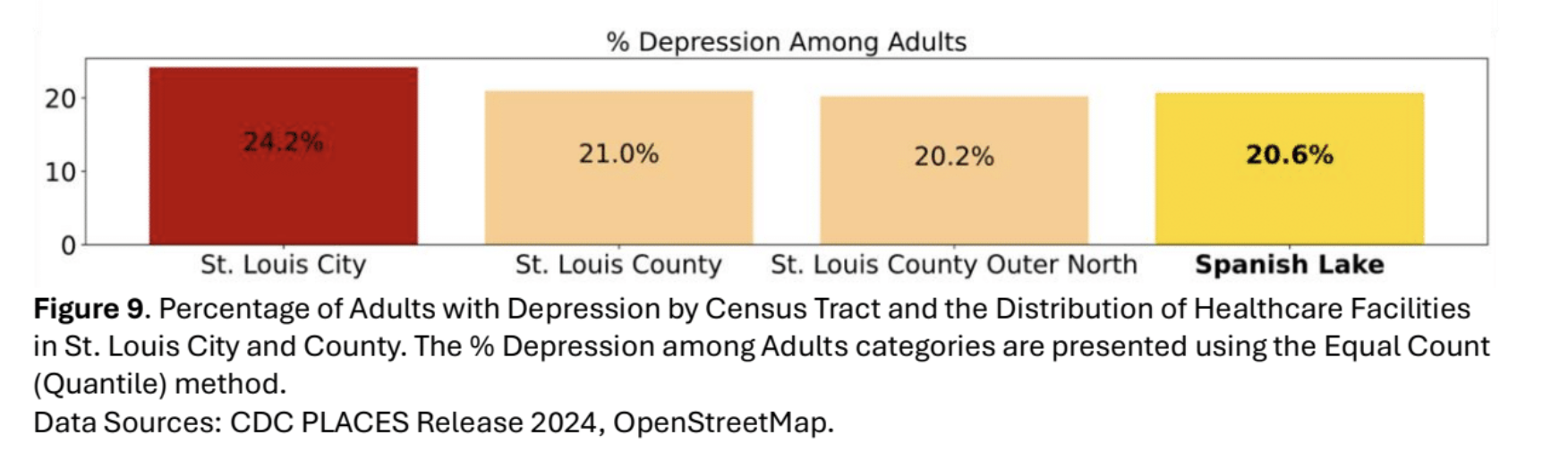
*Data sources noted in full report
In Spanish Lake, 9.9% of households report having no vehicle available, which can limit access to healthcare providers. Over time, these financial and access-related barriers can contribute to delayed care, missed preventative services, and greater stress related to economic security (pg. 32).
Challenging Transportation Barriers
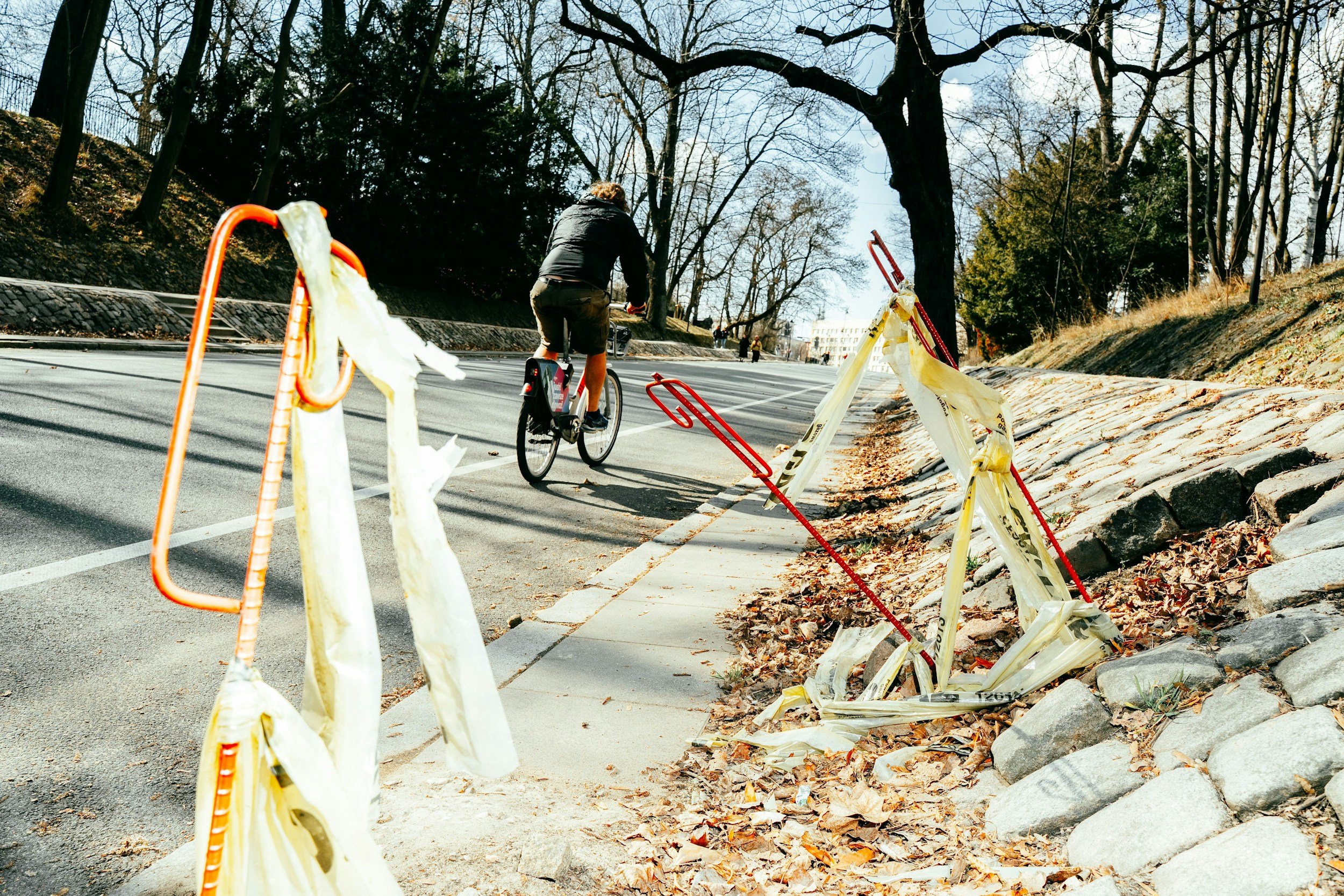
ADA-related accessibility barriers in the study area include missing sidewalks, limited curb cuts, inaccessible entrances, a lack of accessible parking, and transit stops without safe pedestrian connections. These conditions underscore why the built environment conditions must be carefully considered (pg. 22).*
*Data sources noted in full report
Inadequate Mental and Behavioral Healthcare
Mental health and substance use were identified as major issues across the region, noting that stigma, trauma, provider shortages, and limited access to culturally responsive and age-appropriate behavioral health services can prevent residents from seeking care. Behavioral health concerns are especially relevant for young adults, lower-income and economically vulnerable residents, uninsured individuals, and those living with substance use or other underlying health conditions.
Residents are more likely to seek care when they trust providers and feel that services meet their community's needs (pg. 26). Improving access to behavioral health care in Spanish Lake involves expanding community-based mental health services, strengthening school-based supports, and increasing the availability of low-threshold services, such as community clinics, telehealth, and other local behavioral health resources (pg. 26-27)*.
*Data sources noted in full report
Lack of Public Safety
Violence was identified as a significant public health concern throughout the St. Louis area, including higher rates of injury, homicide, exposure to vacant land, crime, and neighborhood safety issues, which particularly impact health outcomes and quality of life in historically disinvested communities (pg. 27-28). The Spanish Lake area has a higher homicide rate than the St. Louis County Outer North region (pg. 28).
Addressing violence prevention in Spanish Lake requires a combination of youth development programs, family and survivor support services, community-based prevention efforts, and improvements to neighborhood environments such as safe parks, sidewalks, lighting, and accessible community spaces (pg. 28)*.

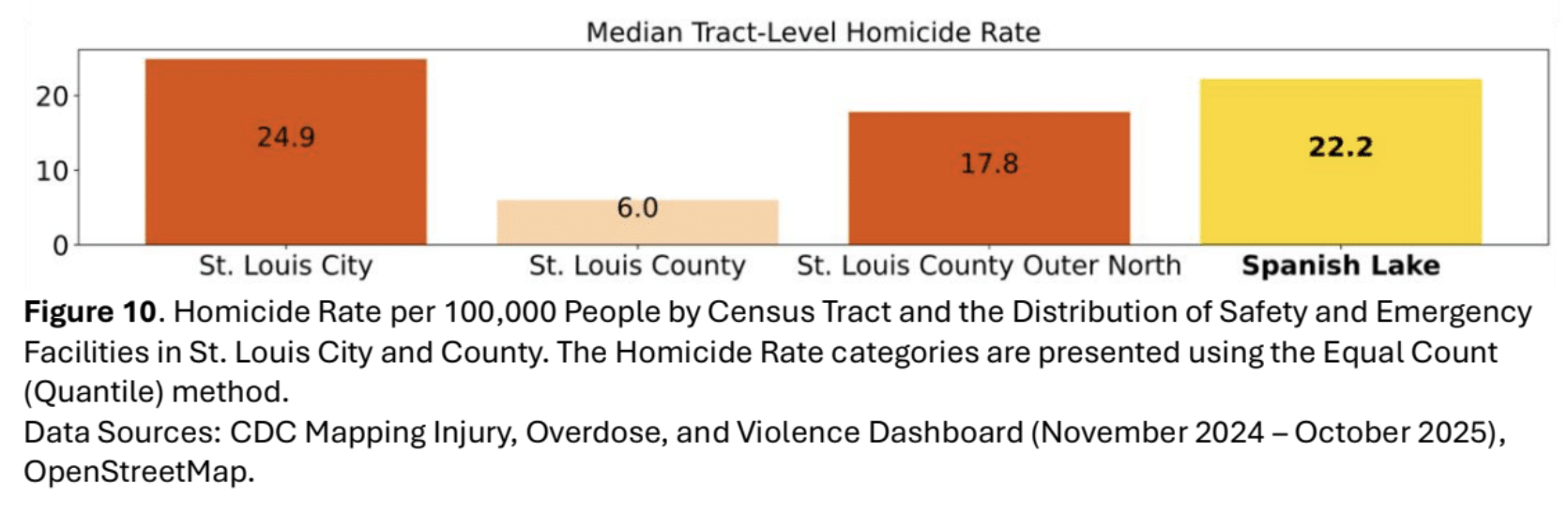
*Data sources noted in full report
Insufficient Social Services
The connection between health and economic mobility is important in Spanish Lake for lower-income households, renters, uninsured adults, residents with disabilities, and those with lower educational levels. The community faces economic and access challenges that affect access to healthcare, stable housing, healthy food, child care, education, and jobs (pg. 29).

There is a lack of community centers and social service facilities—such as group homes, assisted living facilities, and food banks—within or near Spanish Lake, indicating a gap in social service provision (pg. 30)*.
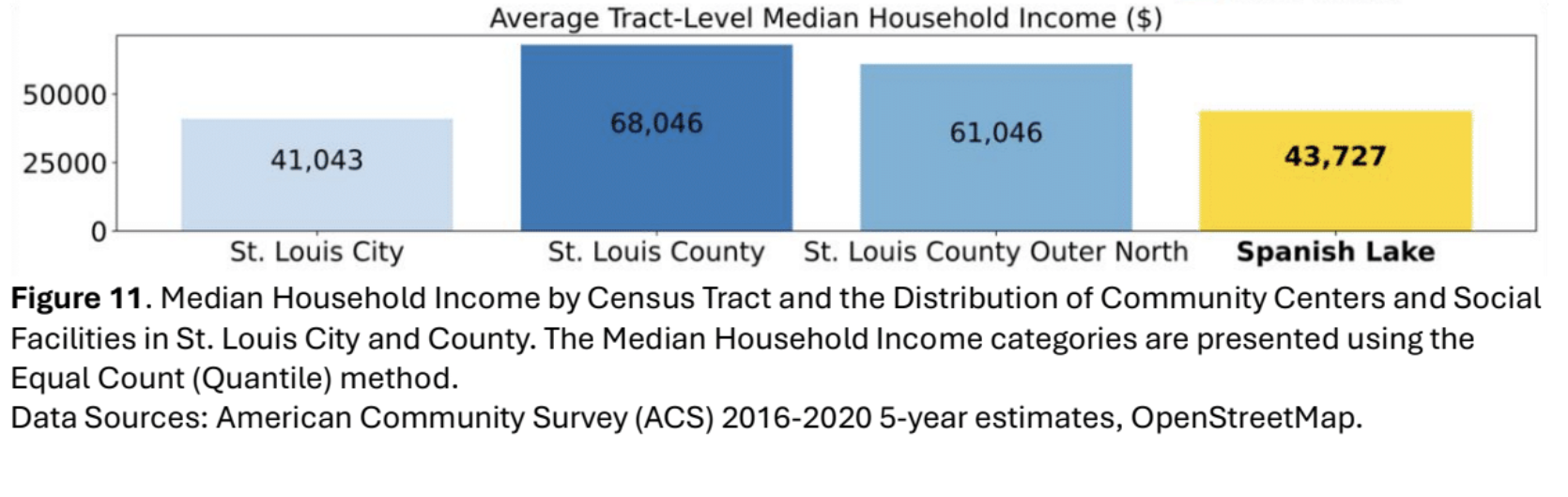
*Data sources noted in full report
Few Healthcare Facilities for Children, Mothers, and Caregivers
Maternal and child health was identified as a major regional priority due to concerns related to infant mortality, maternal health complications, delayed prenatal care, child care access, and youth development (pg. 32). Economic and access-related challenges can influence access to prenatal care, postpartum services, pediatric visits, developmental screenings, and other preventative services that support healthy pregnancies and early child development (pg. 32).

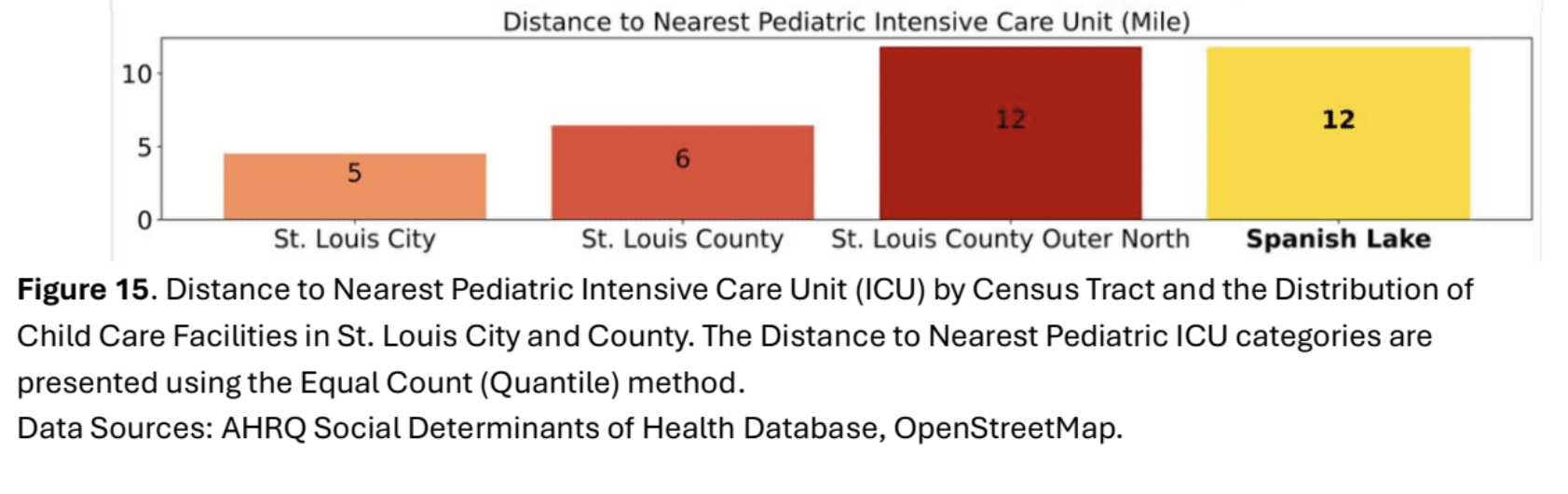
Spanish Lake, as part of the St. Louis County Outer North region, has limited access to pediatric ICU care, as seen in the included map and chart.
Improving maternal and child health in Spanish Lake will depend on stronger access to prenatal care, pediatric services, child care resources, and family support programs (pg. 34). Expanding access to these services can help improve outcomes for mothers, infants, and children while strengthening the overall health and well-being of families in the community (pg. 34)*.
*Data sources noted in full report
Not Enough Healthy Eating Options
Spanish Lake faces challenges with food access, with relatively few locations offering healthy, affordable options. This spatial mismatch contributes to higher rates of obesity and diet-related chronic conditions, particularly in areas with limited transportation options (pg. 42).
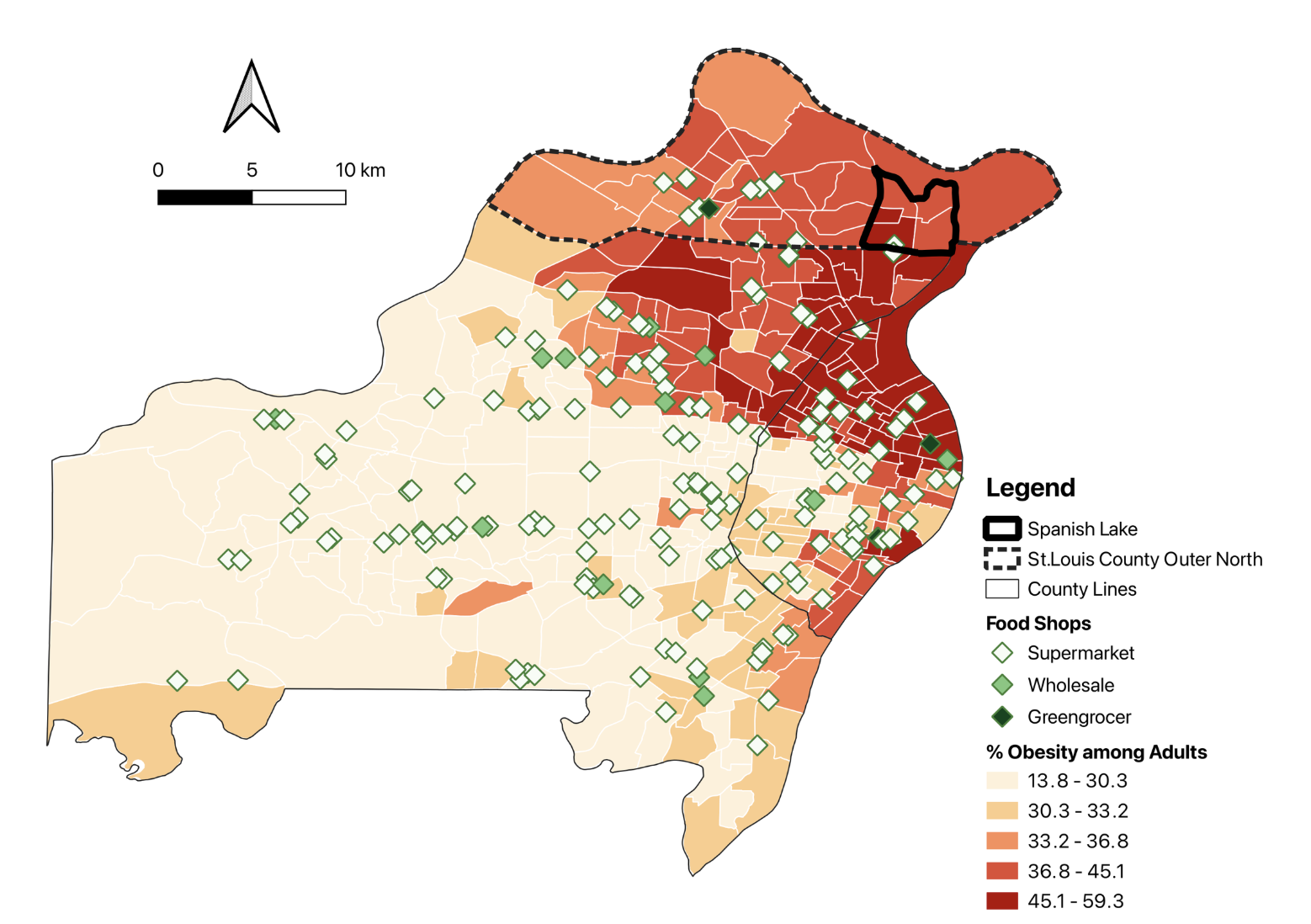
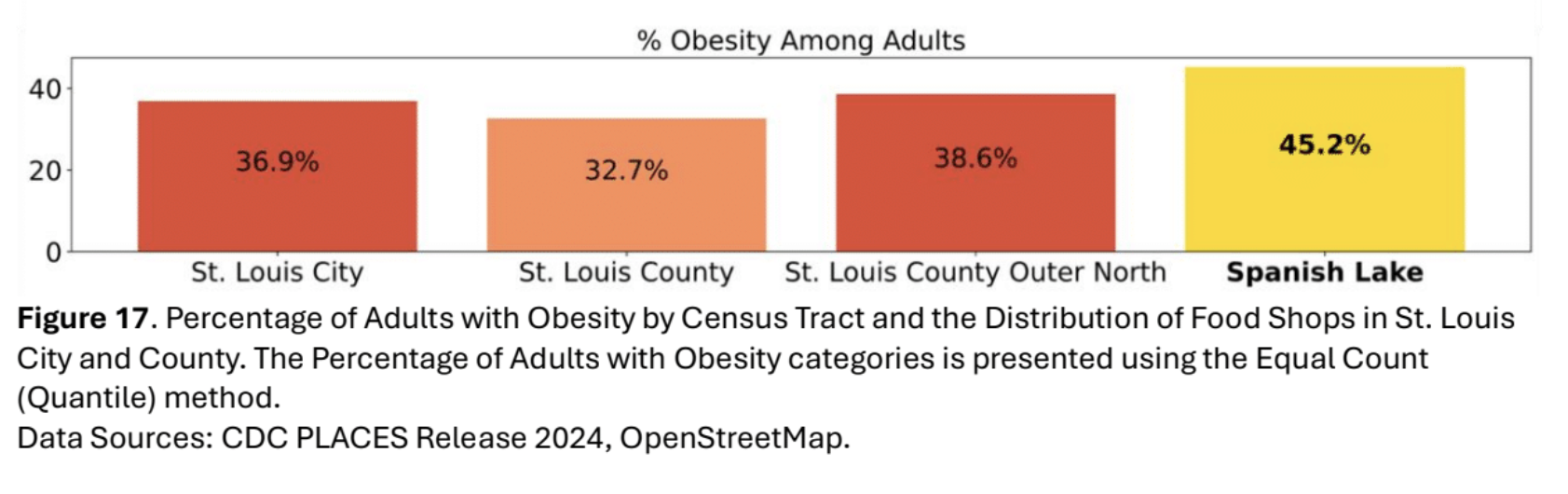
There is only one Schnucks and one ALDI, both located on the south side of the community. This suggests the need to add more grocery stores offering healthy food options in Spanish Lake (pg. 38)*.
*Data sources noted in full report
Opportunities
Capitalize on the Benefits from the WildCare Park
A major regional investment is already underway that can anchor broader economic revitalization and infrastructure improvements, which can provide more opportunities to invest in public health and social services.

Attract New Healthcare Resources
Addressing provider shortages through the recruitment of primary care providers, expansion of telehealth services, and integration of community health workers offers an opportunity to improve access to care and reduce existing service gaps (pg. 42).

Promote Healthy Living by Improving Food Access
Attracting grocery stores, supporting local food initiatives, and expanding community-based food resources can improve access to healthy foods and support better nutrition outcomes across the community, especially in the northern areas where access is limited (pg. 42).

Invest in Well-Connected Transportation
Strengthening public transit routes and pedestrian infrastructure can improve public health outcomes by connecting Spanish Lake residents to jobs, healthcare, and services.

Build on Existing Green Space
Improving access to existing green spaces in the community, like Columbia Bottom Conservation Area, Spanish Lake Park, and Larimore Park, can promote better physical activity and community wellbeing. Improving transportation and mobility systems can assist with this strategy.
