

Open Space and the Environment
Parks and conservation areas are a defining characteristic of Spanish Lake. By improving and promoting these natural assets as eco-tourism destinations, the surrounding area will reap economic benefits.

Key Takeaways
The many conservation areas and parks in Spanish Lake are possible eco-tourism hot spots.
These natural areas have promising restoration potential, but could be better maintained.
Overdevelopment has negatively impacted these areas.
Issues
Neglected Conservation Areas Need Attention
While Spanish Lake encompasses regionally-significant conservation lands and other important natural features, many of these areas are degraded by past land uses, invasive species, and lack of management.*
With regard to managing landscapes for ecological health and resilience, “restoration” typically refers to the re-establishment of the native plant community that was present in an area prior to European settlement. An example of restoration may be converting cropland or underutilized turf areas to prairie or oak savanna. “Enhancement” typically refers to improving the ecological health and resilience of an existing natural area, often through activities such as removing invasive vegetation and installing native seed and plants.
Both restoration and enhancement are important at the site if healthier, low maintenance native landscapes and habitats are desired. Many cultural areas could be converted to natural habitat through restoration, and many of the site’s existing natural areas (most of which are moderately to severely degraded, having been altered by past land uses, compromised by invasive species, and lacking management) would benefit significantly from enhancement activities.
*Data sources noted in full report
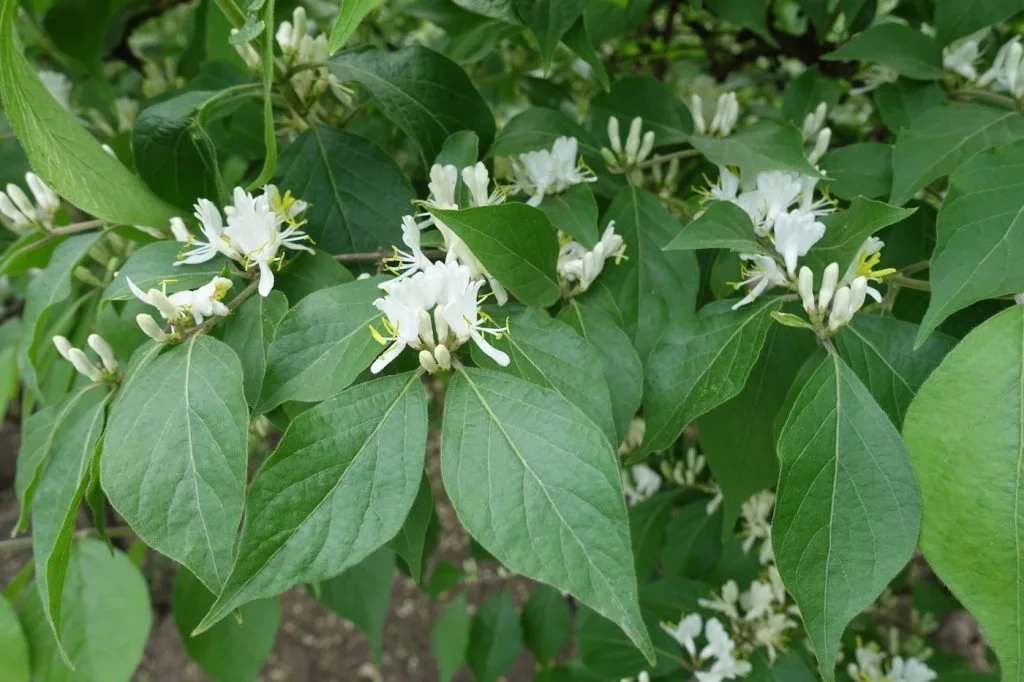
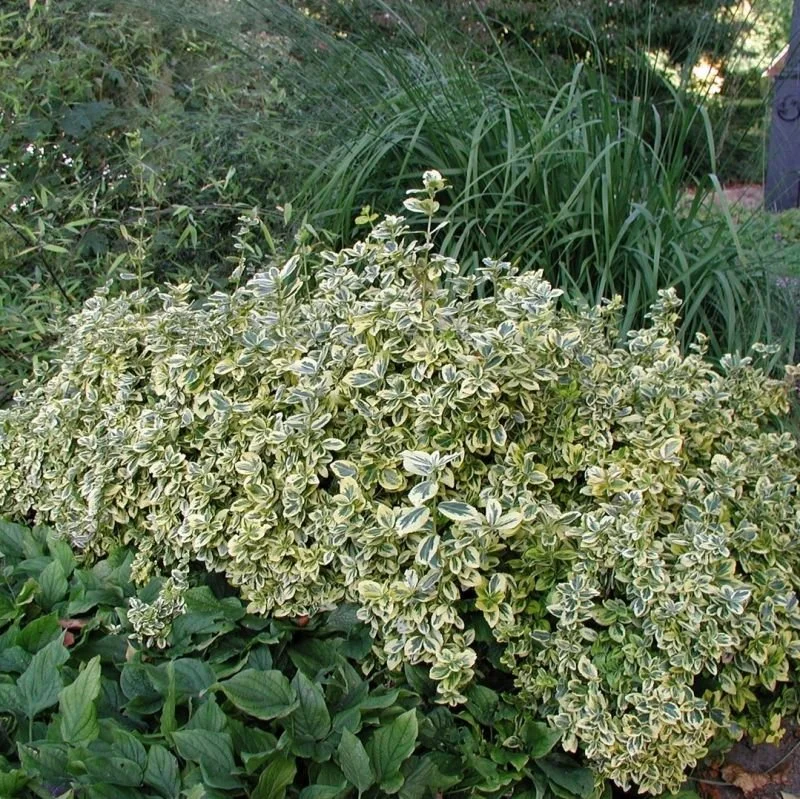
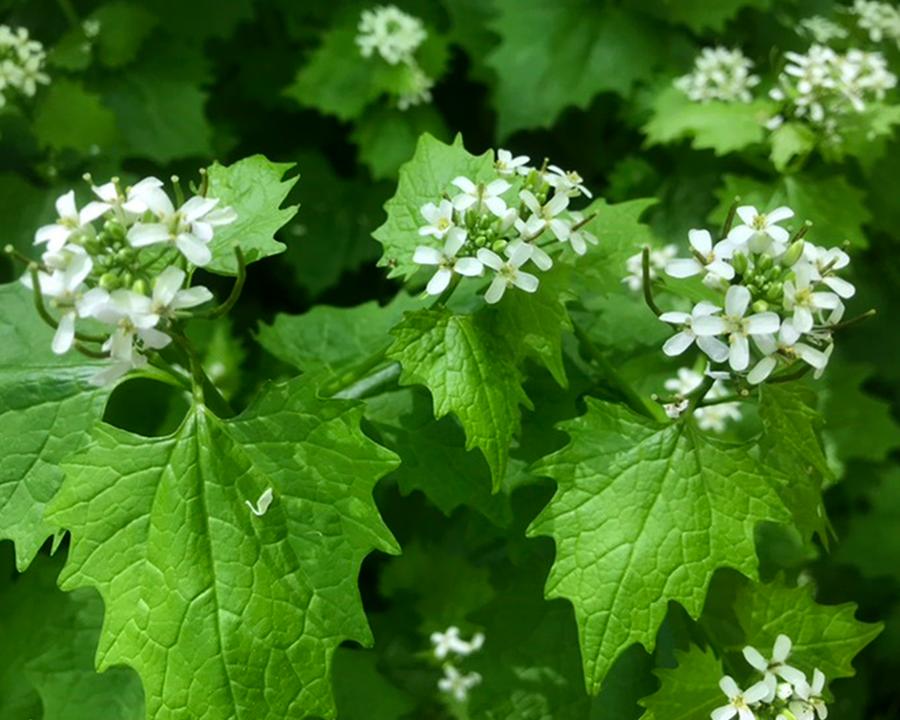
Invasive vegetation like amur honeysuckle (Lonicera maackii) (top), wintercreeper (Euonymus fortunei) (side), and garlic mustard (Alliaria petiolata) (below) can be removed to improve ecological health.
Overdevelopment Fragmented Natural Habitats
Intensive land uses (e.g., industrial, commercial, and residential development—shown as red and pink areas in the figure), agricultural production, and transportation systems have significantly fragmented and degraded the historical landscape and habitats.*
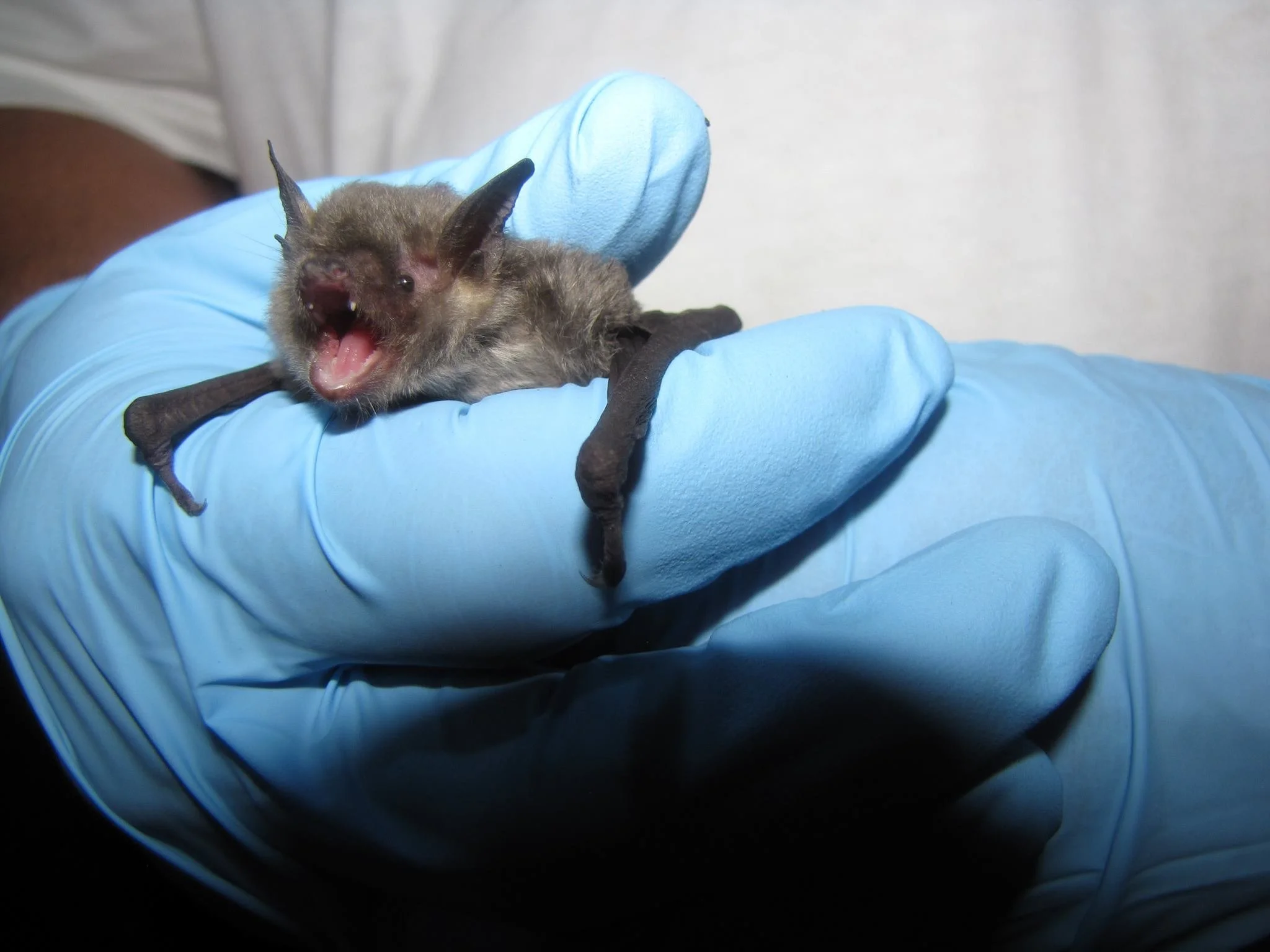
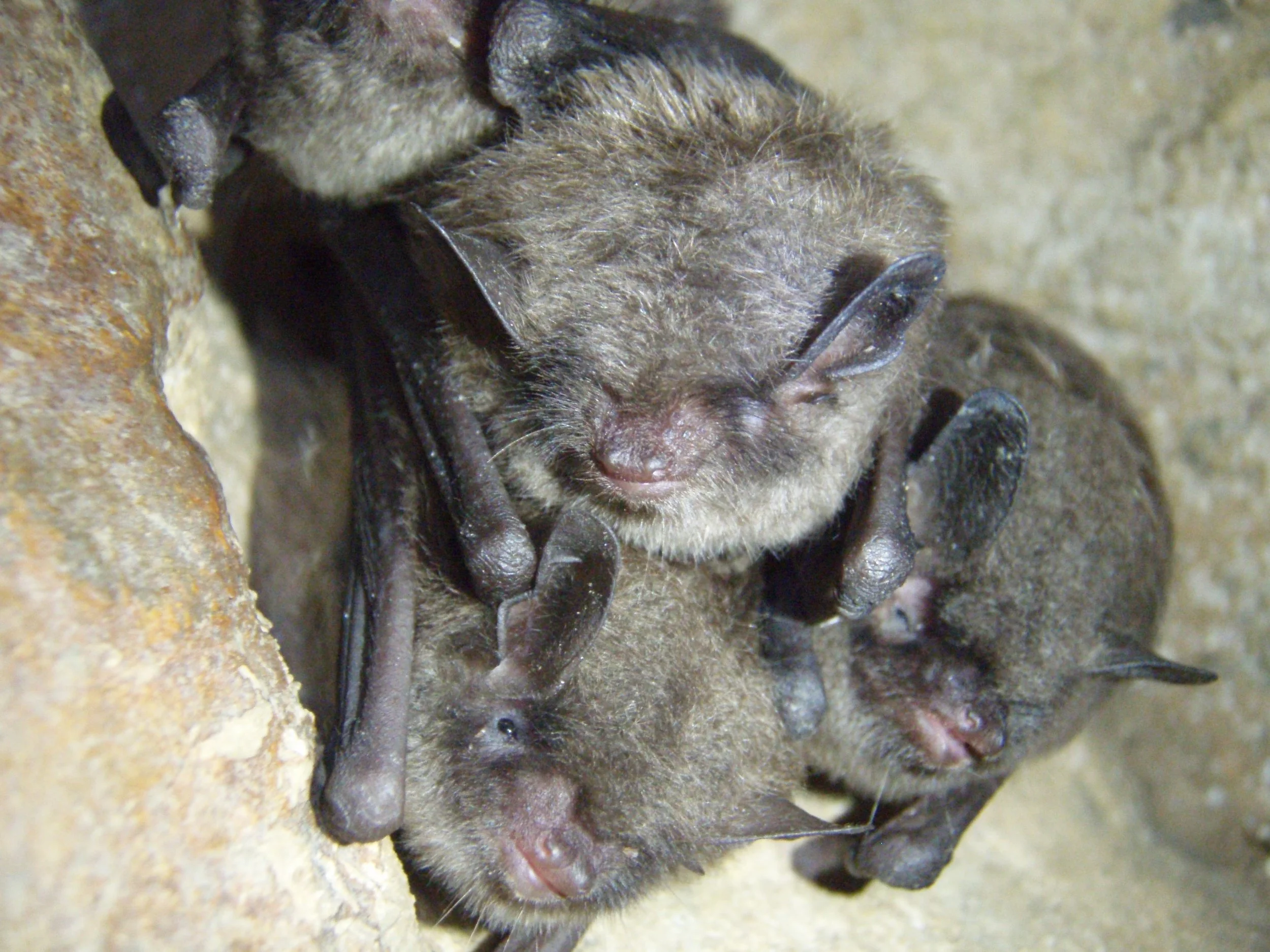
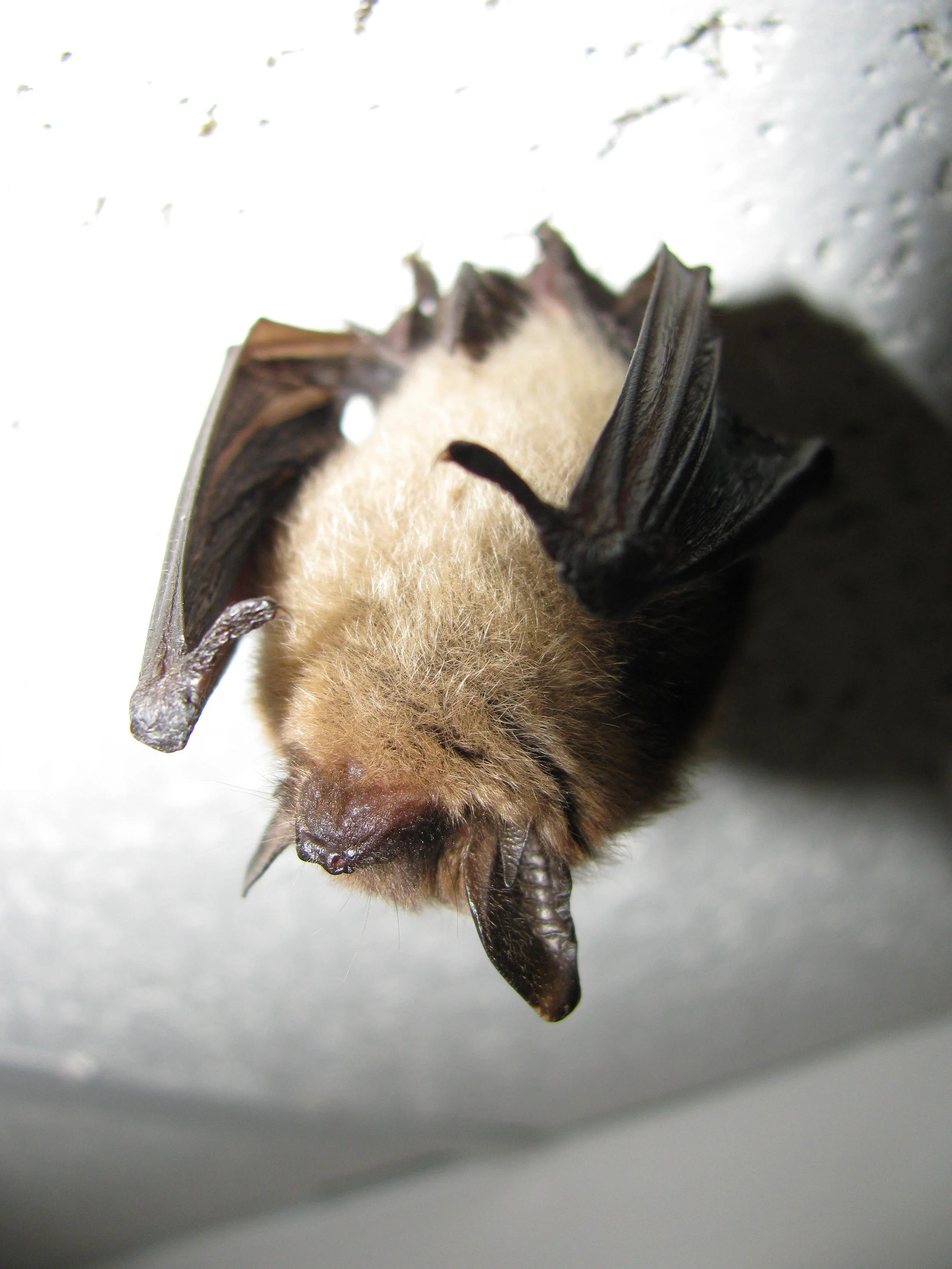
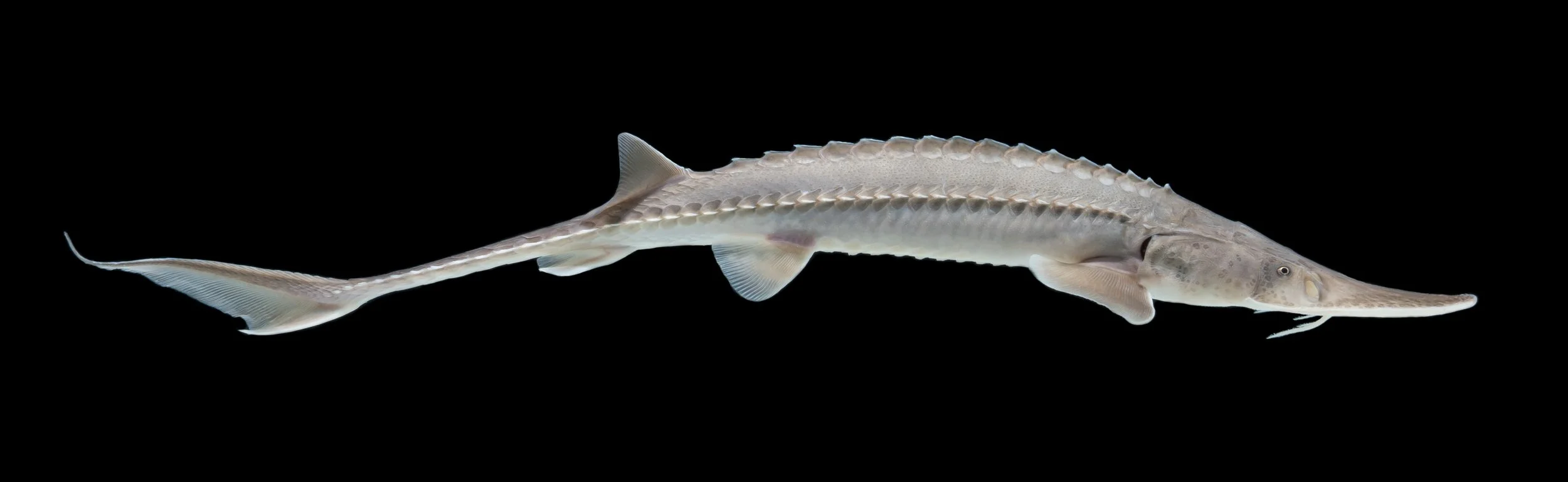
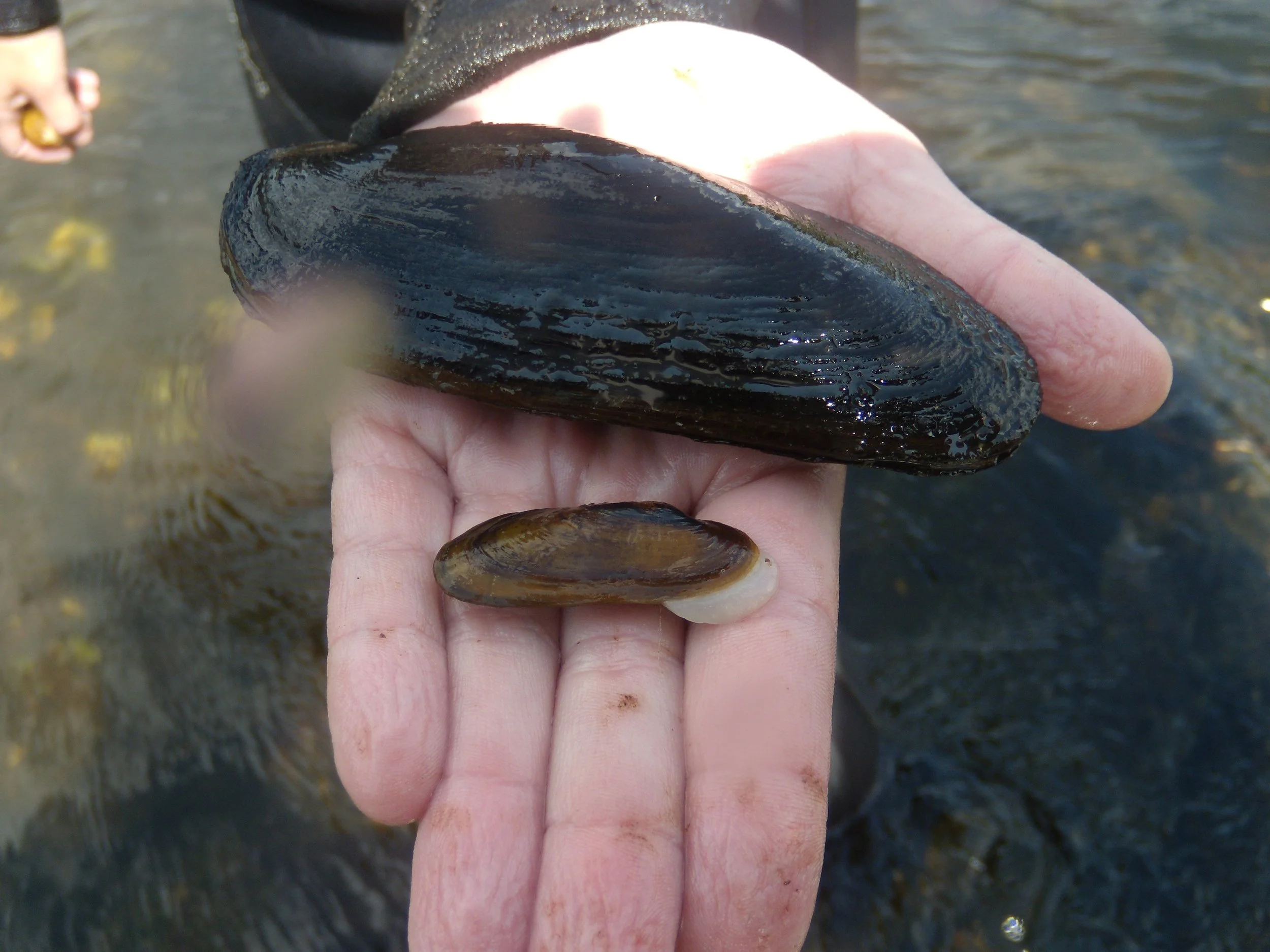
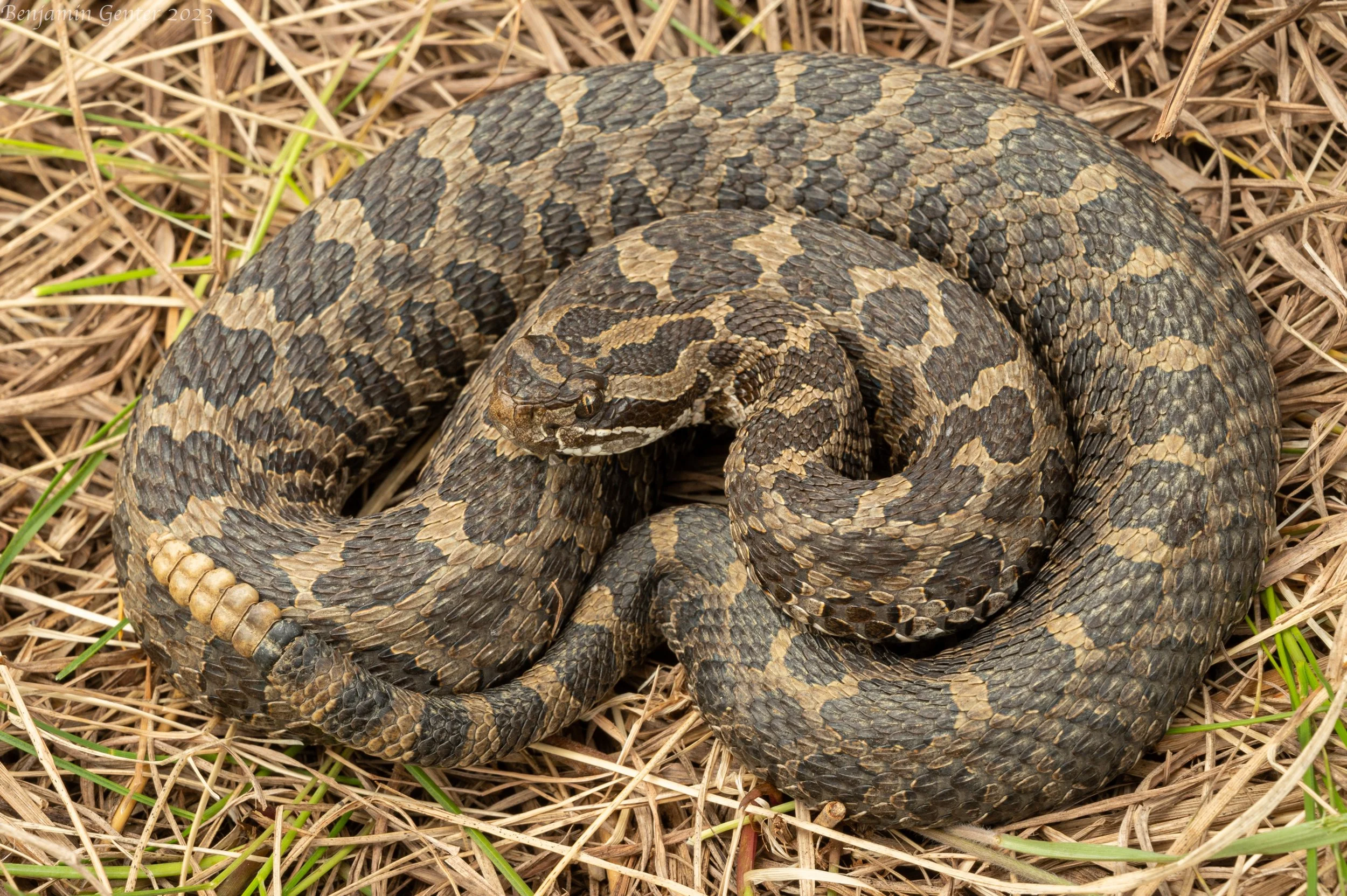
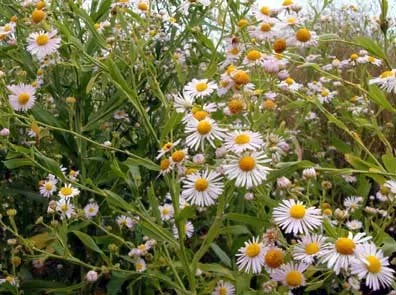
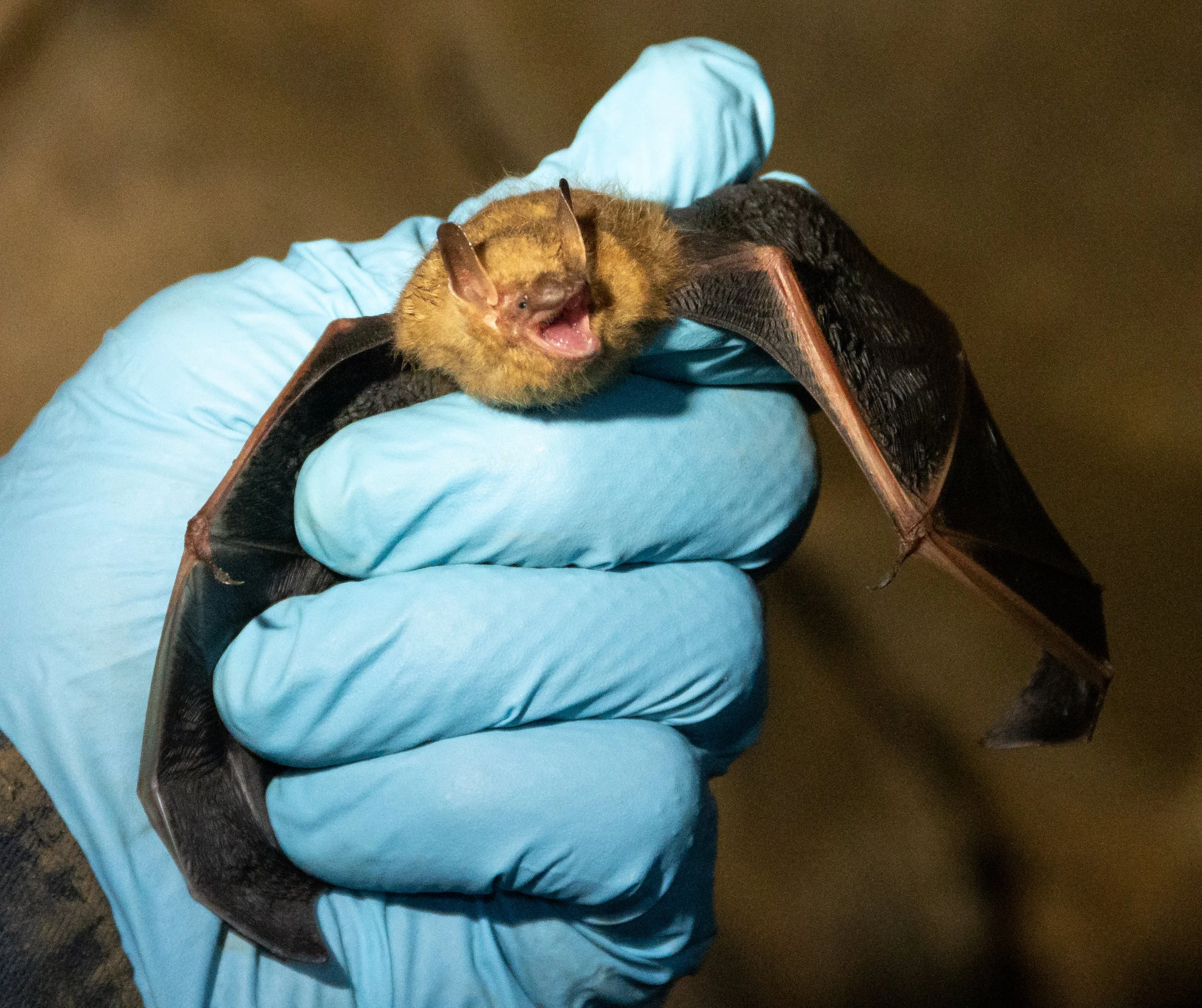
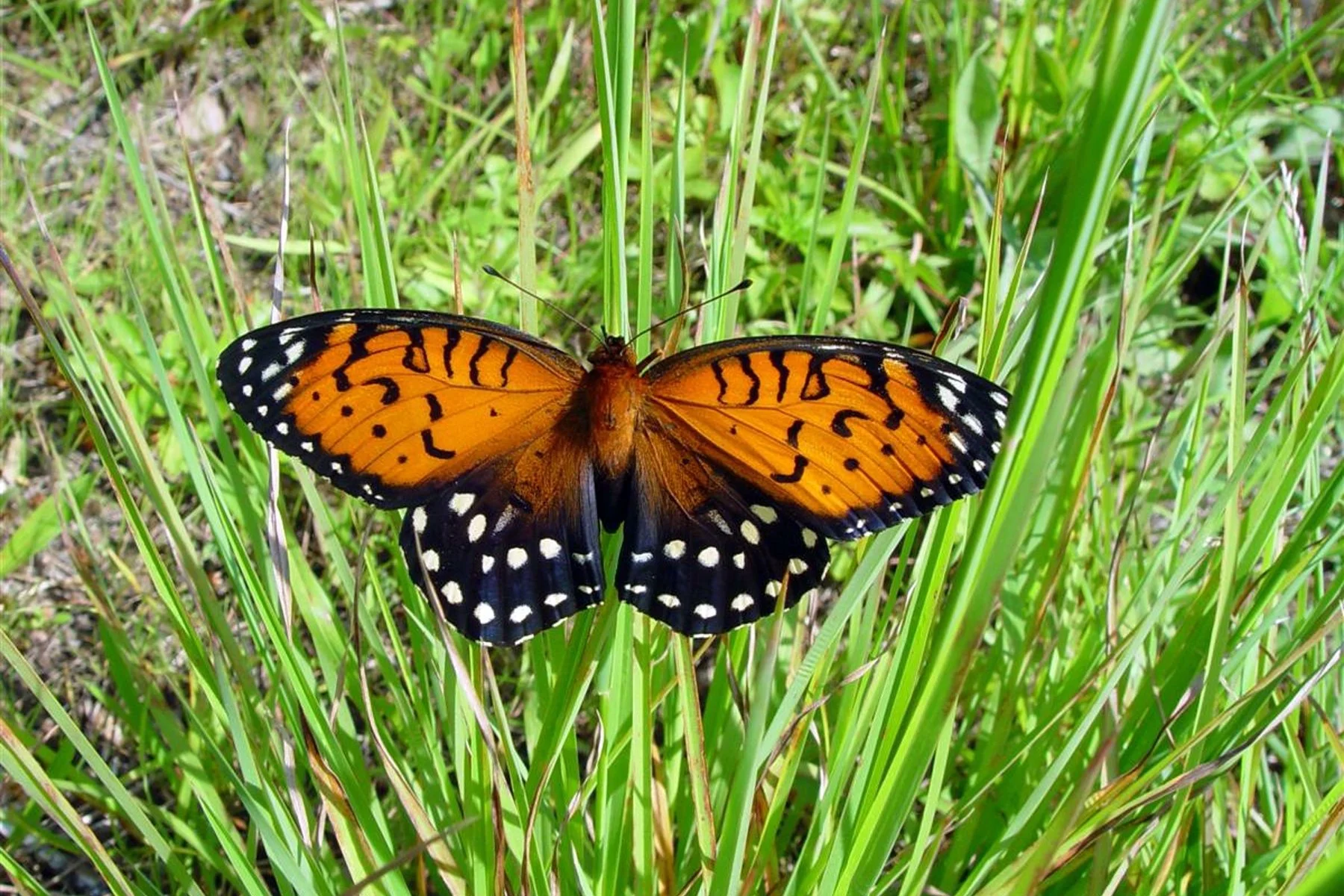
Several species of Conservation Concern and endangered species are known to use the Columbia Bottom (Existing conditions Land Use Report, pg. 33). These species post conservation risks for future development and activity in Spanish Lake, especially near sensitive environments.
*Data sources noted in full report
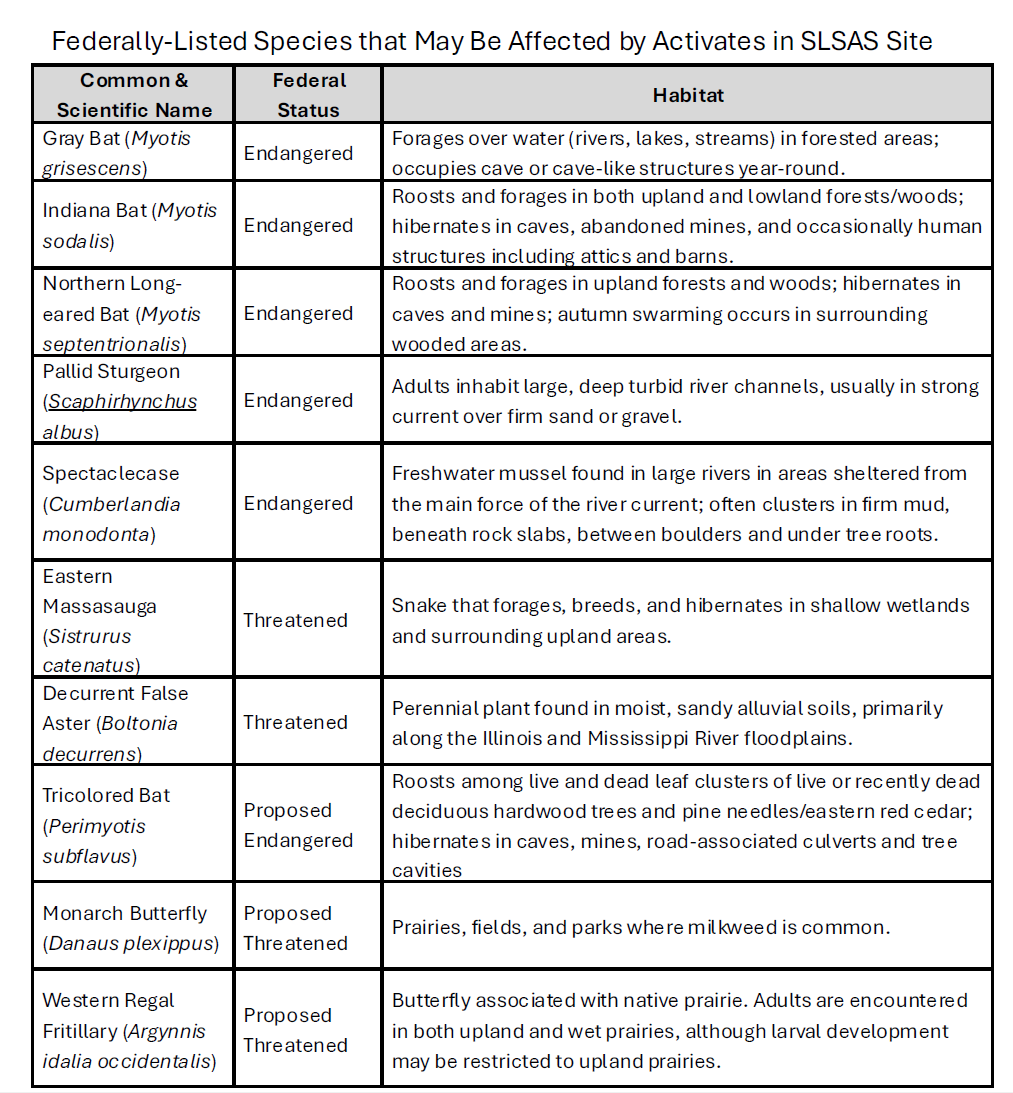
Federally-Listed Species (in order of the table)
Unique Landscape Poses Development Challenges
Spanish Lake features a dynamic terrain ranging from 360 to 657 feet in elevation. The region is highly distinguished by its karst topography, and steep, forested limestone bluffs overlooking the confluence of the Missouri and Mississippi rivers (Existing Conditions Land Use Report, pg. 12). Floodplains, sinkholes, and unstable soils present serious development constraints in much of the Spanish Lake area. Spanish Lake’s northwest area is Mississippian limestone and consists of karst, characterized by caves, springs, and sinkholes (all of which are associated with underground water movement) (Existing Conditions Land Use Report, pg. 22).
Karst areas can be unstable and sensitive to groundwater pollution (Environmental Scan, pg. 22) Due to karst conditions and the liquefaction susceptibility of much of the Spanish Lake area, careful land use planning is recommended, including the consideration of “minimal build” zones and additional geotechnical investigations in proposed development areas (Existing Conditions Land Use Report, pg. 22).

*Data sources noted in full report
Wetlands and Streams are Vulnerable to Impairment
Wetlands are areas where water is present at or near the surface of the soil during at least part of the year. They provide habitat for many species of plants and animals that are adapted to living in wet habitats. Wetlands form characteristic soils, absorb pollutants and excess nutrients from aquatic systems, help buffer the effects of high flows, and recharge groundwater (Existing Conditions Land Use Report, pg. 20.)
A body of water is considered "impaired" if it is unable to meet state water quality standards due to the presence of pollutants, typically chemicals, nutrients, pathogens, or sediment. Spanish Lake has two (2) impaired watersheds: the Maline Creek-Mississippi River Watershed and the Coldwater Creek Watershed (Existing Conditions Land Use Report, pg. 40).
Opportunities
Exciting Conservation and Restoration Potential
The open spaces in Spanish Lake provide opportunities for protecting, enhancing, restoring, and connecting natural areas for increased ecological health and resilience.*

*Data sources noted in full report
Future Development Aligns with Connectivity Efforts
Existing and even new development can be accommodated while simultaneously improving habitat connectivity and landscape health, so the community can develop and grow while maintaining the ecology that makes Spanish Lake unique.*

*Data sources noted in full report
Great Potential for Eco-Tourism Destinations
Given the existing natural areas and future WildCare Park, there is a tremendous opportunity for increasing eco-tourism in Spanish Lake. Open spaces like Columbia Bottom Conservation Area, the Mississippi River Flyway, and several County parks provide anchor destinations that can be better connected and promoted.

Guests at Fort Belle Fontaine join a park ranger for an eagle-watching event.
Significant Agricultural Assets
Spanish Lake contains substantial area of Prime Farmland, including farmland of local and statewide importance. The abundant nutrient rich and flat agricultural land can be leveraged to realize Spanish Lake's agri-community and agri-tourism potential (Existing Conditions Land Use Report, pg. 38).