
Community Connection
Acknowledgements
County Executive: Sam Page
County Council:
Rita Heard, District 1
Gretchen Bangert, District 2
Dennis Hancock, District 3
Shalonda Webb, District 4
Lisa Clancy, District 5
Michael Archer, District 6
Mark Harder, District 7
Core Team:
Department of Planning
TPW
STL Partnership
Office of the Executive
Planning Commission:
Consultant Team:
H3
Vector Communications
Steering Committee:
.
Overview
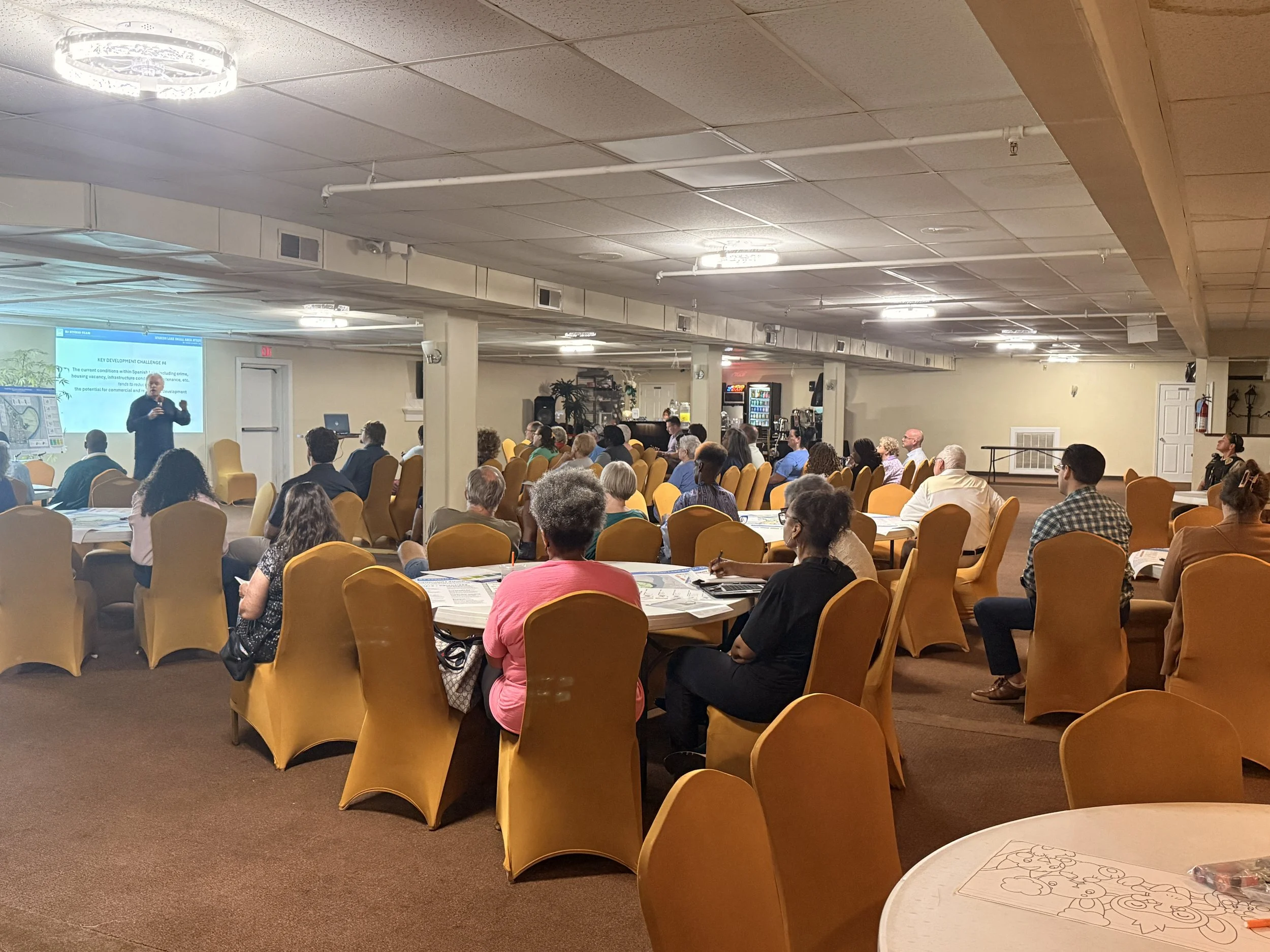
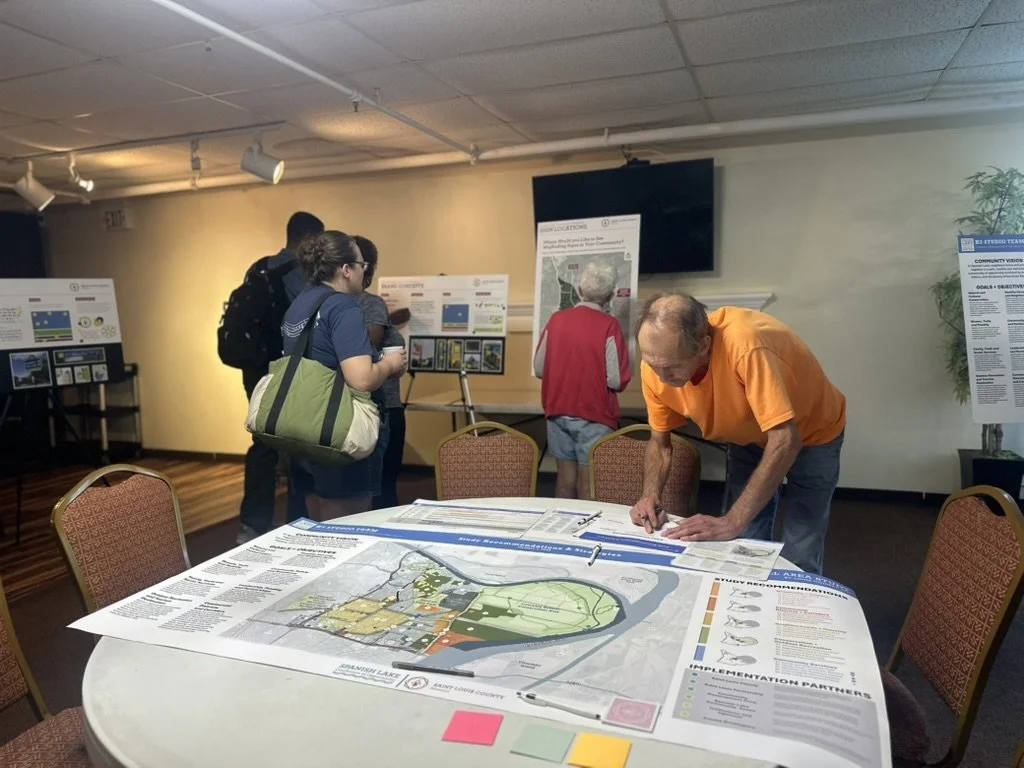
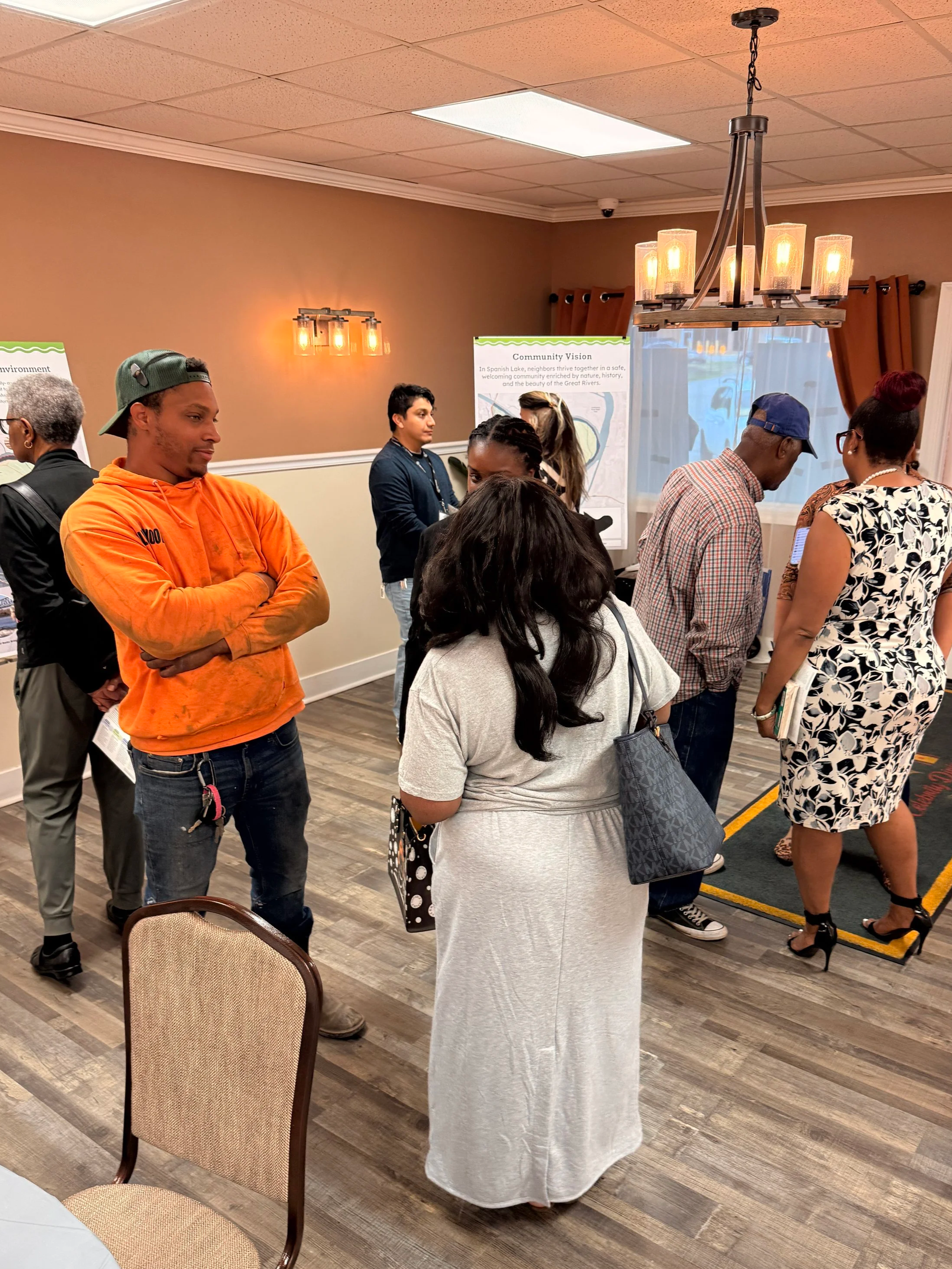
The Spanish Lake community vision is grounded in extensive input from residents and stakeholders across the area. More than 205 survey responses, three public meetings, three steering committee sessions, and multiple focus groups engaging over 50 participants—from teens to older adults—collectively shaped the direction of the plan. This diverse participation ensured that voices across generations, backgrounds, and neighborhoods were represented.
Through this outreach, residents shared their priorities, aspirations, and concerns for the future of Spanish Lake. The result is a community‑driven foundation for planning that reflects local values and emphasizes equitable growth, strengthened housing options, environmental stewardship, and a high quality of life. Collaboration with municipal partners, regional agencies, and community organizations further supports the shared vision and provides the structure needed to advance meaningful, long‑term improvements in Spanish Lake.
Community Outreach Summary
Community Outreach Summary
Focus Group Summary
Key Takeaways
Spanish Lake has strong roots
Residents love the area’s green spaces, peaceful parks, and the mix of rural charm with easy access to the city. A genuine sense of community shines through.
Daily life comes with real challenges
People face unsafe streets, limited shopping options, trash and dumping problems, crime concerns, and spotty property upkeep—issues that affect quality of life across neighborhoods.
Housing and appearance matter
Fixing derelict buildings, enforcing property standards, and improving maintenance are seen as essential for restoring pride and attracting new investment.
Schools and youth opportunities are key to long-term success
Families want stronger school performance and safe, meaningful activities that keep young people engaged and supported.
The shared vision is hopeful
Residents imagine a Spanish Lake with thriving shops, safe streets, accessible parks, better housing choices, reliable transit, and a vibrant community center serving all ages.
What Makes Spanish Lake Special?
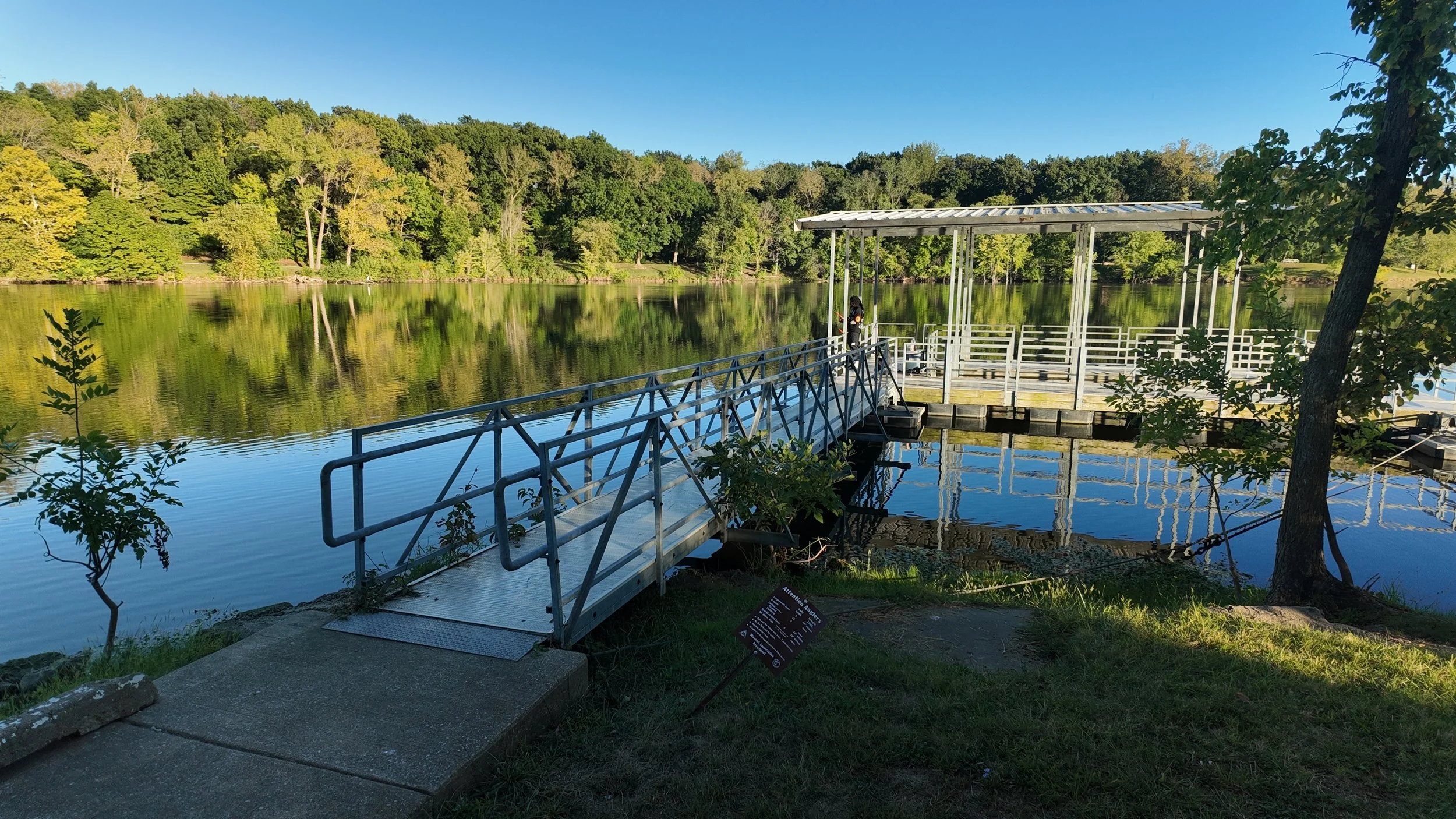
Spanish Lake residents love their community’s natural beauty. Picture wide-open green spaces, peaceful parks, and a mix of “country calm” and “city convenience.” People also appreciate that highways and bridges make it easy to get to other parts of the region for work, shopping, or fun. Even more important, many residents feel a genuine sense of community—neighbors who look out for each other, long family histories in the area, and shared memories that tie people together.
What Challenges Should be Addressed?
Alongside the positives, residents listed a long set of challenges that make daily life harder. These include not enough quality grocery stores or everyday shops, unsafe streets, crime, poor law enforcement presence, trash and illegal dumping, absentee landlords, unreliable public transit, uneven school quality, and too little community-wide communication. People want a cleaner, safer, more functional Spanish Lake.
How is the Community Changing?
Over the years, Spanish Lake has shifted from mostly homeowner‑occupied neighborhoods to more rental properties, some poorly maintained. Residents say this change affects neighborhood pride, increases turnover, and sometimes invites more crime. Many people feel like there are “two Spanish Lakes” — one stable and community-centered, and another struggling with deteriorating housing and fewer resources. The main takeaway is that community stability depends strongly on property conditions and who cares for them.
Streets, Sidewalks, and Safety gaps
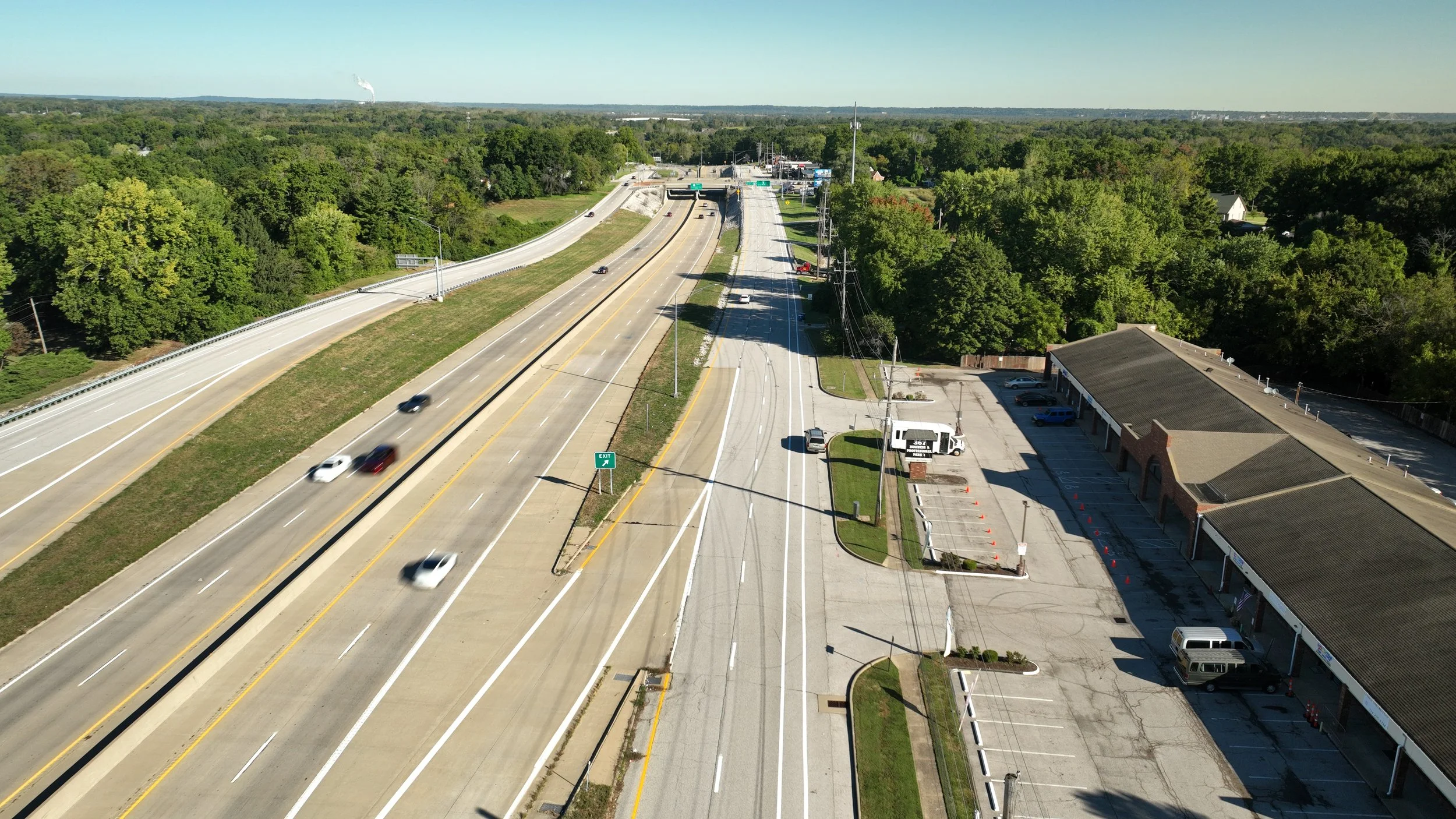
Community Members across all ages said their streets don’t feel safe—whether walking, driving, or letting kids go to school. Missing sidewalks, dim or nonexistent streetlights, potholes, and speeding cars make daily travel stressful. Some residents must walk in the street at dawn with cars flying past because there's no sidewalk. People want safer routes, better lighting, and smarter traffic control.
Retail Deserts and Everyday Needs
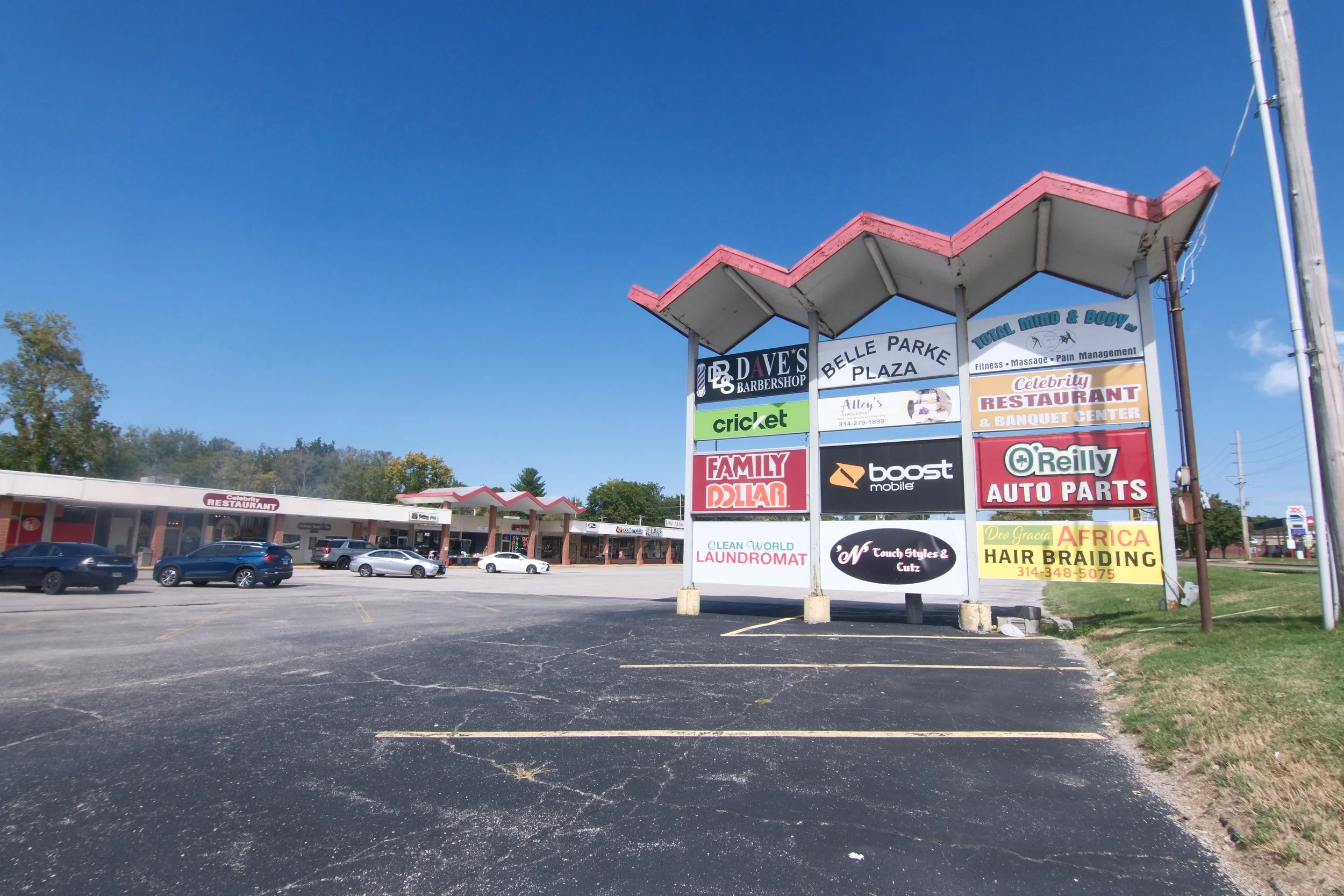
Residents routinely leave Spanish Lake for essentials because stores nearby don’t meet their needs. They're frustrated by limited grocery options, poor product selection, higher prices, run‑down shops, and too many liquor stores. Many say the community can’t attract quality businesses until the area looks and feels safer. Residents want places they can shop, dine, and gather.
Crime, Enforcement, and the Need for Real Solutions
Crime—ranging from car break-ins to open drug dealing—is a top concern. Residents often feel police presence is too limited to make a real difference. They want more than patrol cars; they want solutions that prevent problems, not just react to them. People feel strongly that safety must improve before the community can grow economically or attract new residents and businesses.
Trash, Dumping, and Derelict Buildings
Illegal dumping and neglected properties give certain areas an unwelcoming look. Old commercial buildings sit empty, lots gather trash, and some rental homes are severely overcrowded. Residents often step in to clean up because county action feels slow or inconsistent.
Inconvenient Public Transit Routes
Bus routes don’t serve important destinations, including the location of the new WildCare Park or community services on Riverview. That leaves youth, seniors, and families without cars struggling to get where they need to go. In some places, the nearest bus stop is two miles away, creating transportation difficulties.
Mixed Experience in Local Schools
Some families praise their schools and teachers. Others worry about inconsistent quality, behavioral issues, and declining district performance. Students themselves describe unprofessional behavior from teachers and security. Residents see school quality as essential because strong schools help stabilize and grow the whole community.
Community Wants Connection
Older residents especially feel that engagement is the key to making Spanish Lake better. They want more people to attend meetings, volunteer, and stay informed. Many say the community won’t improve unless residents themselves get more involved.
The 10 Year Vision
Residents shared a hopeful vision of a transformed community: no abandoned buildings, clean streets, central shopping areas, reliable transit, vibrant parks, stronger schools, more youth programs, and housing that feels fair and accessible. Some imagine a true “downtown Spanish Lake,” full of local businesses and community events. Across groups, people describe a future where Spanish Lake is lovable.
How Residents Believe Change Happens
People believe the future depends on teamwork: residents, the county, businesses, churches, and community organizations all working together. They want better communication, clearer action plans, and ways for everyone to stay informed and involved. Many say that improvement starts with believing Spanish Lake can be better and showing up to help make it so.
Key Data Points
Key Data Points
Key Data Points
65 residents and community leaders participated across eight focus groups, representing teens, adults, seniors, business owners, and nonprofit leaders.
306 total improvement comments were recorded from participants—giving a clear picture of what matters most to people.
19% of all comments (the largest share) called for better grocery stores, pharmacies, and everyday services.
13% of comments focused on road conditions, speeding, and safer streets—showing widespread concern about transportation safety.
12% highlighted deteriorating homes, vacant buildings, and the need for property cleanup, making housing quality a core issue.
11% of comments asked for more youth programs, community centers, libraries, and places for recreation.
Another 11% emphasized public safety, including crime reduction, faster response times, and more visible law enforcement.
Sidewalks and bike paths accounted for 10% of all priorities, pointing to a shared desire for walkability and connection.
7% of comments focused on trash, waste, and illegal dumping, confirming that environmental appearance affects community pride.
• Streetlights alone received 7% of votes, showing how strongly residents believe lighting connects to safety and quality of life.
• Residents identified five major planning areas shaping their daily lives: housing, transportation, businesses/jobs, parks/environment, and community collaboration.
• Participants consistently described “two Spanish Lakes”—one stable and community‑oriented, the other struggling with disinvestment and crime.
• In nearly every age group, residents said they routinely leave Spanish Lake to shop for groceries, household needs, or quality services.
• Many areas lack sidewalks, causing parents to drive children only a half‑block to avoid unsafe walking conditions.
• Some residents reported only two officers serving 20,000 people, fueling the perception of limited public safety coverage.
• The vacant former Shop ’n Save has been empty for nearly 10 years, symbolizing lost opportunity and unmet retail needs.
• Teens described unsafe or unprofessional behavior from school staff, reflecting concerns about school quality across generations.